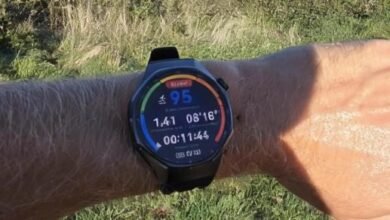
Creating a plan de entrenamiento is one of the smartest decisions anyone can make when trying to improve their fitness. Many people start exercising with enthusiasm, but without structure, they lose motivation quickly. A training plan gives direction, purpose, and measurable progress. In this guide, you’ll learn how to build a training plan that is practical, effective, and sustainable—even if you’re a complete beginner.
Understanding What a Plan de Entrenamiento Really Is
A plan de entrenamiento is simply a structured roadmap that outlines what exercises you will do, how long you will do them, and how often. It works like a blueprint that helps you reach your fitness goals step-by-step.
Key benefits for body and mind
A well-designed training plan delivers countless benefits:


- Improves cardiovascular health
- Strengthens muscles and bones
- Boosts energy levels
- Enhances mental clarity and reduces stress
- Helps maintain a healthy weight
- Builds discipline and consistency
See also: Apple’s Smart Home Strategy: Will Matter Make HomeKit Mainstream?
Essential components of any training plan
Every effective plan de entrenamiento includes:
- Goals
- Exercise selection
- Training frequency
- Intensity levels
- Rest and recovery
- Progress tracking
Without these components, a training plan becomes guesswork rather than a pathway to success.
How to Design Your Own Plan de Entrenamiento Step-by-Step
Creating a training plan doesn’t have to be complicated. With the right steps, anyone can build a routine that matches their lifestyle.
Initial fitness assessment
Before designing your plan, you must understand your current fitness level. This prevents injuries and helps you build a realistic routine.
Basic tests for beginners
- Push-up test (strength)
- Step test (cardio)
- Sit-and-reach test (flexibility)
These simple assessments allow you to identify strengths and weaknesses.
Setting SMART fitness goals
Your goals should be:
- Specific
- Measurable
- Achievable
- Relevant
- Time-bound
Instead of saying “I want to get fit,” a SMART goal would be:
“Improve my cardiovascular endurance enough to jog for 20 minutes within 8 weeks.”
Choosing the right exercises
Selecting exercises is the heart of your plan de entrenamiento.
Strength training
Includes:
- Squats
- Push-ups
- Deadlifts
- Dumbbell exercises
Strength training builds muscle, boosts metabolism, and improves posture.
Cardiovascular training
Examples:
- Running
- Cycling
- Swimming
- Jump rope
Cardio improves heart health and helps burn calories efficiently.
Mobility & flexibility training
- Stretching
- Yoga
- Foam rolling
These exercises prevent injury and increase range of motion.
Different Types of Plan de Entrenamiento
Everyone’s fitness journey is unique, so training plans must adapt to personal goals.
Beginner training plans
Focus on learning proper form, building confidence, and developing consistency.
Weight-loss training plans
Combine strength and cardio for maximum calorie burn.
Muscle-building plans
Use progressive overload, heavier weights, and structured sets.
Endurance & performance plans
Include interval training, long-distance sessions, and speed development.
How to Structure a Perfect Weekly Training Schedule
A weekly schedule helps you stay organized and balanced.
3-day routines
Great for beginners or busy people:
- Day 1: Full-body strength
- Day 2: Cardio
- Day 3: Strength + mobility
4-day routines
Ideal for moderate-level trainees:
- Upper body
- Lower body
- Cardio + core
- Strength mix
5-day and advanced routines
Perfect for experienced athletes:
- Chest & triceps
- Back & biceps
- Legs
- Shoulders
- Cardio or HIIT
Common Mistakes in a Plan de Entrenamiento (and How to Avoid Them)
Overtraining without rest
Your body needs recovery just as much as exercise.
Poor technique
Bad form leads to injuries and slow progress.
Not updating your plan
Your body adapts every 4–8 weeks. Adjust your plan regularly.
Nutrition and Recovery: The Foundation of Any Training Plan
Foods for performance and recovery
- Lean protein
- Whole grains
- Healthy fats
- Fruits and vegetables
- Plenty of water
Nutrition fuels your workouts and accelerates recovery.
Why sleep matters
Sleep repairs muscles, balances hormones, and boosts performance.
Weekly Example of a Plan de Entrenamiento
| Day | Training Focus |
|---|---|
| Monday | Strength: Upper body |
| Tuesday | Cardio + core |
| Wednesday | Strength: Lower body |
| Thursday | Active recovery (yoga/stretching) |
| Friday | Full-body strength |
| Saturday | Optional light cardio |
| Sunday | Rest |
Frequently Asked Questions (FAQs)
1. How long should a good plan de entrenamiento last?
Most plans last 4–12 weeks before needing adjustments.
2. Can beginners start with strength training?
Yes—strength training is safe when using proper form and controlled weight.
3. How much rest do I need per week?
Most people need 1–2 rest days weekly.
4. Do I need supplements?
No, but protein powder or multivitamins can help if your diet is lacking.
5. How quickly will I see results?
You can expect noticeable improvements in 3–6 weeks.
6. Should I track my workouts?
Absolutely. Tracking helps you stay consistent and see progress.
External Resource: Learn more about safe training guidelines here: https://www.healthline.com/fitness
Conclusion: Staying Motivated and Tracking Your Progress
A plan de entrenamiento is more than a list of exercises—it’s a strategy for success. With the right structure, patience, and progression, you can improve your health, strength, and confidence. Remember to stay consistent, listen to your body, and update your plan as you grow.