For many runners, transitioning from road to trail introduces a fresh challenge. While the scenery and variety are exciting, the uneven terrain can be intimidating. Trail running demands patience and adaptability over pure speed, offering a different reward. With realistic expectations and a willingness to learn, this journey becomes a confident and joyful one. This article will guide you in making the move comfortably and safely.
Mindset Shift: Embracing the Trail Difference
Moving to trails requires letting go of the idea that pace defines performance, because terrain constantly influences speed. Many runners who are used to tracking each kilometer precisely discover that trail running encourages being present in the moment rather than chasing numbers. It becomes less about comparison and more about noticing breath, footing, and surroundings, which can feel refreshing after structured road routines. This mindset shift also supports learning how to get better at running through patience, since progress becomes about control, stability, and endurance rather than faster splits. Approaching trails with curiosity instead of pressure turns the experience into a calming and rewarding escape rather than a demanding task.
Essential Gear Upgrades for Trail Success
Trail Shoes vs Road Shoes: Key Differences


Trail shoes provide better grip, stability, and foot protection because trails present loose gravel, mud, and uneven rocks. Road shoes are built for smooth consistency, so switching to trail-specific footwear helps prevent slipping and improves confidence on natural surfaces. Many runners notice that trail shoes also support the ankles more, which becomes important when fatigue sets in on longer outings. Choosing a pair that fits comfortably and offers enough traction helps make early trail experiences safer and more enjoyable. With the right shoes, runners feel more grounded and less hesitant, allowing them to explore new routes without worrying about every step.
Must-Have Safety and Navigation Gear
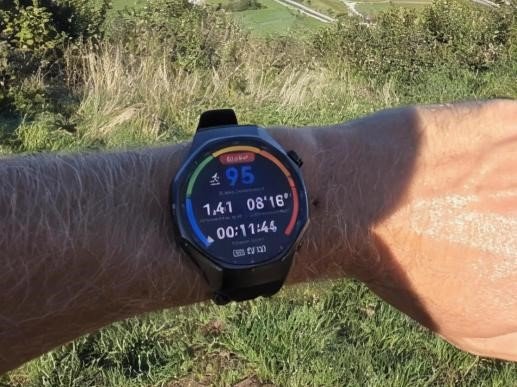
Carrying basic safety items such as a lightweight hydration option, a small first aid kit, and a charged phone helps runners feel more secure outdoors. Trails can lead farther from busy areas, so simple preparation reduces anxiety about getting lost or stranded. Some runners also benefit from GPS navigation and route awareness to stay oriented and avoid accidental detours. This is where a device like a Huawei Watch can be helpful, as some models offer navigation support and heart rate zone monitoring that assists with pacing and safety without adding complexity. Having essential gear turns trail running into a peaceful experience rather than a risky one, especially for beginners.
Mastering Trail-Specific Running Techniques
Uphill and Downhill Form Adjustments
Running uphill on trails asks for shorter strides, leaning slightly forward, and relaxing the upper body to conserve energy. Many people find hiking steep climbs perfectly acceptable, which helps maintain strength for the remainder of the run. On downhills, keeping steps quick and light improves control and reduces impact on the knees. Looking slightly ahead rather than down at the feet helps anticipate rocks, dips, and roots that appear suddenly. Practicing these form changes makes trails feel smoother and builds confidence in handling elevation variations.
Navigating Technical Terrain and Obstacles
Trails often include roots, stones, narrow paths, and uneven surfaces that demand attention and agility. Learning to lift the feet a bit higher and keep the core engaged helps prevent tripping when fatigue sets in. Some runners slow down intentionally to prioritize safety, especially when encountering wet leaves or loose soil. Staying relaxed rather than tense improves balance and makes quick adjustments easier when the terrain shifts unexpectedly. Over time, navigating obstacles becomes intuitive, transforming challenging sections into enjoyable parts of the adventure.
Building Your Trail-Specific Fitness
Strength Training for Trail Running
Strength training supports the muscles that stabilize knees, hips, and ankles, which are heavily used on uneven ground. Simple home exercises like lunges, single-leg balance work, and calf raises provide noticeable benefits for ordinary runners. Building strength also reduces soreness after longer trail sessions because the body becomes better prepared for impact and shifting weight. Many runners find that adding just two short strength sessions per week enhances confidence and reduces hesitation on rugged terrain. With stronger muscles, climbs feel manageable and descents feel controlled, making trail running more enjoyable.
Adjusting Your Training Plan and Expectations
Trail running often takes longer than road running even at the same distance, so adjusting expectations prevents frustration. Beginners may start by mixing road and trail sessions to allow the body to adapt gradually. Listening to fatigue signals becomes especially important because uneven surfaces work stabilizer muscles differently. Tracking progress based on how comfortable a route feels rather than time helps maintain motivation and clarity. This gentler approach keeps trail running sustainable and satisfying rather than overwhelming.
Finding Trails and Building Confidence
How to Choose Your First Trails
Starting with well-marked, beginner-friendly trails helps remove uncertainty and lets runners enjoy the experience fully. Many people begin with shorter loops or routes close to home so they feel connected to familiar surroundings. Trails with moderate terrain allow runners to practice balance, climbing, and descending without excessive difficulty. Returning to the same trail a few times builds familiarity and shows how quickly skills develop. As confidence grows, expanding to longer or more scenic trails becomes a natural next step.
Joining the Trail Running Community
Running with others can ease nerves, introduce new routes, and provide helpful tips from more experienced trail runners. Group outings often feel encouraging because pace becomes less important and shared enjoyment becomes the focus. Social connections also help people stay consistent, especially when everyday life makes motivation fluctuate. Joining a community offers reassurance that learning is normal, progress is gradual, and challenges are shared. Over time, the support makes trail running feel welcoming, rewarding, and something to look forward to.
Conclusion
Transitioning from roads to trails opens up a new way of experiencing running that blends fitness, nature, and personal exploration. With the right mindset, suitable gear, and patient skill development, even everyday runners can feel capable and confident outdoors. Trails encourage slowing down, paying attention, and enjoying movement in a more relaxed and curious way. Each step becomes less about performance and more about discovery, resilience, and enjoyment. With thoughtful preparation and steady growth, your trail adventure begins the moment you choose to take that first step.