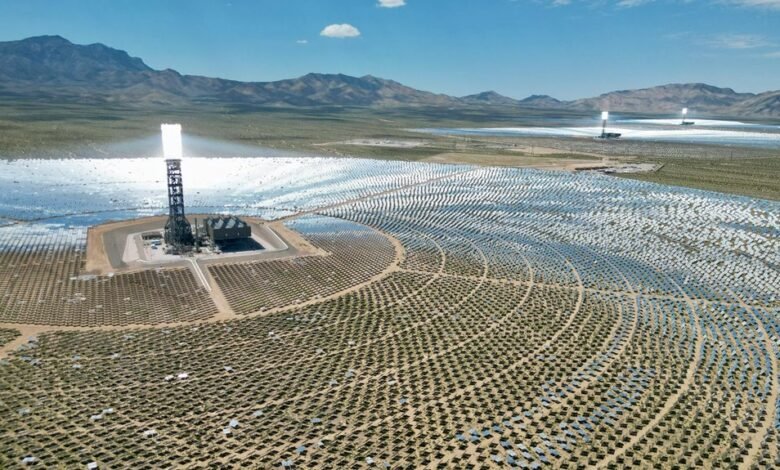
Solar Node 910765779 Strategic Beam presents a modular, autonomous framework for targeted energy delivery and communication within an integrated solar network. It emphasizes configurable arrays that adapt to conditions while maintaining reliability. The design supports telemetry security, cross-system coordination, and space-terrestrial integration. This approach enables rapid fault response and efficient load balancing, with governance that prioritizes safety and integrity. Yet questions remain about real-world deployment and resilience across evolving environments.
What Is Solar Node 910765779 Strategic Beam?
Solar Node 910765779 Strategic Beam refers to a specific system or configuration designated for targeted energy delivery or communication within a broader network. It operates as a modular concept guiding solar deployment decisions and beam modulation practices, aligning resources with demand.
The framework emphasizes controllable pathways, reliability, and scalable integration, enabling disciplined, autonomous management of energy transmission across diverse environments.


How the Modular Array Optimizes Energy Capture and Output
A modular array optimizes energy capture and output by distributing photovoltaic elements across configurable units that adapt to environmental conditions.
The approach enables scalable modular optimization, balancing irradiance, orientation, and thermal effects to sustain performance.
By leveraging dynamic reconfiguration, energy harvesting remains efficient under variable loads.
This design prioritizes clarity, precision, and freedom in system architecture and operational transparency.
Real-World Applications: Grid Resilience to Space Demos
Real-world deployments demonstrate how grid resilience can benefit from space-demonstrated beam-based energy systems.
The analysis outlines energy storage capabilities, grid integration pathways, and emissions reduction potential enabled by space based power.
Operational demonstrations emphasize orbital logistics, reliable telemetry security, and cross-system coordination, supporting rapid fault response, load balancing, and resilient infrastructure while preserving open, freedom-oriented decision-making for utility stakeholders.
Challenges and Safeguards: Thermal, Synchronization, and Security
Thermal management, synchronization accuracy, and security controls present interconnected challenges for beam-based energy systems operating in space-enabled grids. Thermal safeguards mitigate heat-induced drift and component wear, while synchronization challenges threaten coordinated delivery and grid stability. Protective protocols, redundancy, and rigorous testing bolster resilience. Clear governance and continuous monitoring ensure safety, integrity, and freedom to innovate without compromising system reliability.
Conclusion
The Solar Node 910765779 Strategic Beam embodies a precise, modular approach to energy delivery and telemetry within an integrated solar network. Its configurable arrays adapt to demand and conditions, enhancing resilience and scalability. Real-world demos underscore grid reliability and cross-system coordination. Chief safeguards address thermal, synchronization, and security risks. In sum, the system stands as a vigilant orchestra, harmonizing supply and demand like a lighthouse guiding power through a fog of volatility.


