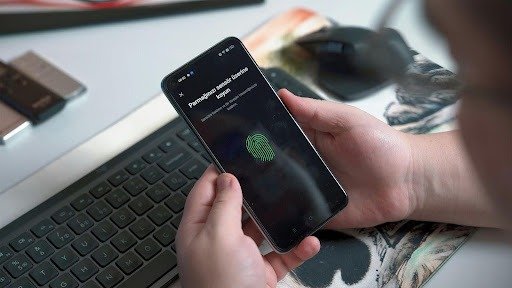
As digital interactions continue to grow across financial services, e-commerce, gig platforms, healthcare, and government services, the need for strong identity verification (IDV) has become more critical than ever. Businesses must ensure that users are who they claim to be, while staying compliant with KYC, AML, and global data protection regulations. A robust identity verification provider helps prevent fraud, supports regulatory compliance, and creates a secure onboarding journey for legitimate users.
Below are some of the top identity verification providers that lead the market due to their technology, accuracy, global coverage, and compliance features.
1. Shufti
Shufti is recognized for its highly accurate, AI-driven identity verification suite. It offers a seamless blend of biometric verification, document authentication, AML screening, address verification, and e-KYC solutions. With support for 10,000+ document types across 240+ countries and territories, the platform has one of the widest coverage footprints in the IDV market.


Its differentiator is the hybrid model—AI plus human oversight—enabling fast processing speeds while maintaining reliable accuracy. Shufti Pro also provides customizable workflows, which is valuable for businesses needing tailored compliance journeys. Industries like fintech, crypto exchanges, education, healthcare, and travel rely on it for secure and frictionless onboarding.
2. Jumio
Jumio is another major player known for using AI, biometrics, and machine learning to verify identities in real time. It offers ID document verification, facial recognition, and risk assessments, making it popular among large financial institutions and regulatory-heavy industries.
Jumio’s strength lies in its ID scanning and fraud detection capabilities, which help identify document tampering, deepfakes, and spoofing attempts. Its identity proofing platform is widely adopted for KYC and AML compliance, and it integrates easily with high-traffic onboarding systems.
3. Onfido
Onfido has gained significant traction globally, especially with startups and digital-first companies. Its core product focuses on document verification paired with selfie-based biometric checks. Onfido’s AI-driven fraud detection analyzes document data points, fonts, holograms, and tamper indicators to catch sophisticated forms of document manipulation.
A key strength is its flexibility—Onfido offers modular identity verification, allowing companies to integrate only the components they need. It’s particularly popular in marketplaces, neobanks, mobility apps, and online gaming platforms.
4. Trulioo
Trulioo differentiates itself with its expansive global identity database, providing instant electronic verification across multiple regions. Instead of relying solely on ID documents, Trulioo cross-checks user identities against trusted data sources such as credit bureaus, registries, telecom records, and government databases.
This makes it a strong contender for businesses needing global compliance, especially for onboarding users in developing markets. Trulioo’s platform also includes AML watchlist screening, business verification (KYB), and risk intelligence.
5. IDnow
Based in Europe, IDnow specialises in identity verification solutions that comply with stringent EU regulations. The company offers both automated and video-based identity verification, making it suitable for industries where regulatory authorities still require a human agent to validate the user.
IDnow’s platform is widely used in banking, fintech, insurance, and mobility services. Its video verification product ensures compliance with regional guidelines like eIDAS and BaFin, helping businesses operate securely within Europe’s regulated ecosystem.
6. Authenteq
Authenteq is a blockchain-enabled identity verification platform known for speed and user privacy. It focuses on instant onboarding using automated facial recognition and encrypted identity storage. The platform ensures that users retain control over their personal data, aligning with modern privacy expectations under laws such as the GDPR.
While not as large as some competitors, Authenteq has gained popularity in online marketplaces, digital communities, and gig-economy apps that require quick, low-friction ID checks.
Read Also: How to Build a Cycling Fitness Plan With the Huawei Watch GT 6?
7. Socure
Socure stands out with its predictive analytics and fraud prevention capabilities. It uses massive datasets—combined with AI and machine learning—to generate extremely precise identity risk assessments. Many U.S. banks, fintechs, and credit unions rely on Socure for verifying identities, detecting synthetic identities, and reducing false positives during onboarding.
Socure’s strength lies in its ability to analyze behavioral, device, email, credit, and network attributes, giving it an edge in high-risk, fraud-sensitive sectors.
8. Veriff
Veriff is known for its global verification capabilities and strong fraud detection engine. Its AI-powered identity verification checks run against more than 10,000 document types, and it’s trusted by industries including crypto, gaming, fintech, and transportation.
Veriff’s detailed session analysis and anti-fraud technologies make it particularly good at identifying deepfakes and advanced spoofing attacks—an important feature as fraud becomes increasingly sophisticated.
Choosing the Right Identity Verification Provider
With so many strong options, selecting the right provider depends on factors such as:
- Industry compliance needs (e.g., KYC/AML, age verification, KYB)
- Geographic coverage
- Verification methods (biometric, document, video, eID, etc.)
- Integration complexity
- Scalability and API performance
- Fraud detection accuracy
- User experience and onboarding speed
Businesses should also evaluate how customizable the workflows are, since compliance requirements differ widely across industries and regions.
Conclusion
Identity verification providers play a crucial role in securing the digital world and preventing fraud. Platforms like Shufti Pro, Jumio, Onfido, Trulioo, IDnow, Authenteq, Socure, and Veriff lead the industry due to their global reach, advanced technology, and strong fraud prevention systems. As digital services continue expanding, the importance of reliable identity verification will only grow, making the choice of provider a key strategic decision for any organization.


