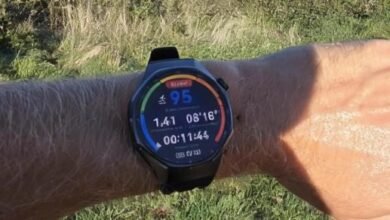
Cadence training has become one of the most trusted injury-prevention methods among coaches, physiotherapists, and seasoned runners. When you adjust how many steps you take per minute, you influence stride length, foot placement, impact force, and overall stability. Many runners start exploring cadence training after learning what does cadence mean in running, because understanding this simple metric often leads to major improvements. Instead of forcing speed or technique, cadence training teaches rhythm—helping you move more efficiently while protecting joints and muscles. Smartwatches make this process easier by giving runners real-time cadence tracking and actionable form insights. Devices like the HUAWEI WATCH GT 6 Pro present step rate clearly outdoors, allowing you to monitor rhythm throughout the run and adjust before strain builds.
Why Cadence Training Protects Your Body?
Higher Cadence Reduces Overstriding and Lowers Joint Impact
Overstriding—landing with your foot too far ahead of your center of mass—is one of the leading causes of running injuries. It increases braking force, forcing your knees, hips and shins to absorb stress with every step. A higher cadence shortens your stride naturally, pulling your footstrike closer underneath your body. This reduces impact and allows smoother forward motion. Coaches often use cadence training as the fastest way to eliminate overstriding without complicated drills. With smartwatch feedback, you can track how your cadence changes in real time. The HUAWEI WATCH GT 6 Pro displays cadence alongside speed and heart rate on a bright AMOLED screen, making it easy to check your rhythm and correct overstriding before discomfort appears.
Quicker Steps Improve Balance and Stability on Every Surface
A steadier cadence stabilizes your entire running posture. When your steps become lighter and more frequent, your legs reposition faster, helping your body stay balanced on flat paths, uneven trails, and downhill stretches. Runners with low cadence often linger too long on each step, making their running form wobbly and inconsistent. Increasing cadence even slightly reduces the time your feet stay on the ground and gives your core and hips better control. Using a smartwatch helps you stay consistent. With the HUAWEI WATCH GT 6 Pro’s positioning accuracy and responsive sensors, you can see how cadence reacts to terrain changes. This helps you maintain stable movement whether you’re cruising on pavement or navigating off-road slopes.


Higher Cadence Decreases Vertical Bounce and Energy Waste
Some runners experience injuries not because of impact, but because they waste energy with too much vertical movement. Excessive bouncing sends force upward instead of forward, tiring muscles and stressing tendons such as the Achilles. A higher cadence smooths your stride by reducing vertical oscillation. You take smaller, quicker steps, which translate into a flatter trajectory and less strain across the lower legs. Smartwatch tracking highlights this shift clearly. While the HUAWEI WATCH GT 6 Pro focuses on speed, heart rate, and gradient data, these metrics help you understand how efficiently you move as cadence increases. If your heart rate drops at the same pace after cadence adjustments, you know your movement has become more economical—a sign of reduced strain.
How to Use Cadence Training Safely and Effectively?
Start by Identifying Your Natural Cadence Baseline
Before increasing cadence, you must know your starting point. Most everyday runners naturally fall between 150 and 165 steps per minute, while experienced runners may approach 170–180. There is no universal “perfect” cadence; the goal is to find a range that makes your stride lighter and more stable. Smartwatch data makes this easy. Using the HUAWEI WATCH GT 6 Pro, you can track your cadence during relaxed runs without forcing anything. This helps you understand your normal rhythm and provides a reference point for training. Once you know your baseline, you’ll follow cadence training more accurately and safely.
Increase Cadence Gradually to Avoid Forcing Your Stride
Experts recommend increasing cadence by only 3–5 steps per minute at a time. Large jumps can create tension in your thighs or calves, while small increases allow your body to adapt naturally. This slow progression keeps your running form smooth and prevents new issues. Smartwatch tracking plays a critical role here. By glancing at cadence on the HUAWEI WATCH GT 6 Pro’s bright outdoor display, you confirm you’re staying within a healthy adjustment zone. Over time, the slightly faster rhythm becomes second nature, reducing injury risks linked to long strides and heavy footfalls.
Use Real-Time Data to Detect When Fatigue Affects Your Form
Fatigue is often the silent cause of injuries. As muscles tire, runners unconsciously lengthen their strides, landing harder and allowing cadence to drop. This is when many injuries occur. Monitoring cadence helps identify this pattern early. If your speed stays similar but cadence begins to fall, your form is deteriorating. With the HUAWEI WATCH GT 6 Pro showing cadence, pace, grade and heart-rate trends side by side, you can see when fatigue alters your mechanics. This allows you to correct your rhythm immediately by shortening your stride and quickening your steps. These real-time adjustments prevent the sloppy movement that often leads to ankle rolls, knee strain, and muscle overload.
Conclusion
Cadence training reduces running injuries because it improves mechanics in the most natural and sustainable way. Higher cadence shortens your stride, reduces overstriding, stabilizes your posture, and cuts unnecessary impact on joints and tendons. Because cadence influences rhythm rather than speed, it helps runners protect their bodies without forcing major technique changes. Smartwatch support enhances cadence training by giving you instant insight into your step rate and how it responds to terrain, fatigue, or pace. The HUAWEI WATCH GT 6 Pro offers clear outdoor visibility and reliable tracking, allowing you to adjust cadence confidently during every run. When you train with rhythm in mind, injury prevention becomes a daily habit, and your stride becomes smoother, lighter, and more sustainable.